
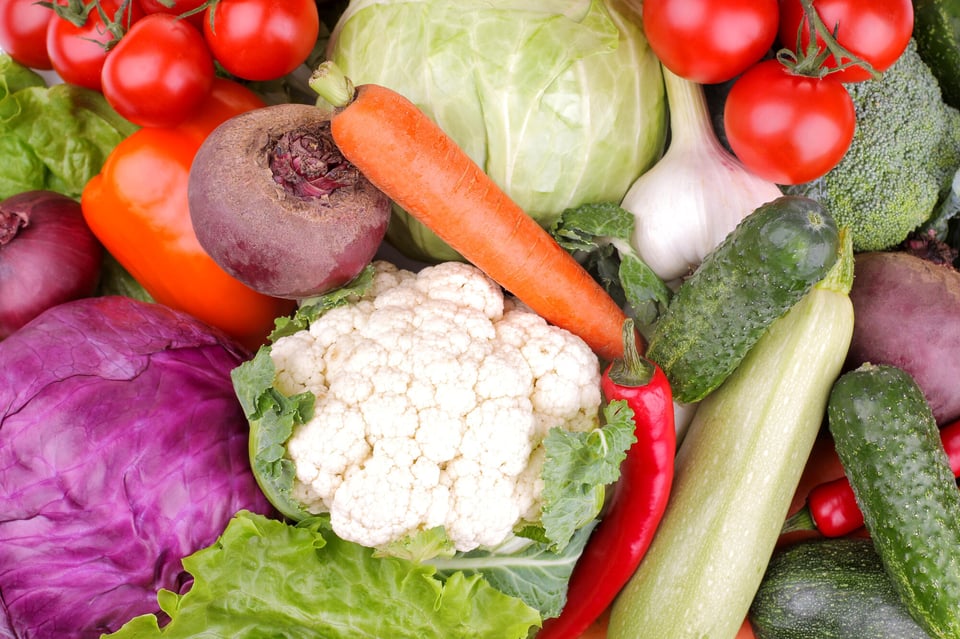
Some vegetables that are high in fiber are broccoli, spinach, carrots, sweet potatoes, brussels sprouts, and artichokes.
Fiber is one of the most important, yet most underconsumed, nutrients for healthy aging. While fruits and whole grains often get the spotlight, vegetables are an equally powerful source of dietary fiber, offering unique benefits for digestion, brain health, and long-term vitality.
For aging adults, incorporating high-fiber vegetables into daily meals can help support regular digestion, steady energy, and mental clarity in Burlington, NC.
Understanding how fiber-rich vegetables work in the body, and which ones deliver the greatest benefits, can make it easier to eat with intention and confidence.
Why Fiber From Vegetables Matters as We Age
As the body ages, digestion tends to slow, gut bacteria diversity may decrease, and blood sugar regulation becomes less efficient. Fiber helps counteract these changes by:
- Promoting regular bowel movements
- Feeding beneficial gut bacteria and promoting gut health in aging
- Reducing inflammation
- Supporting stable blood sugar levels
- Encouraging consistent energy for the brain
Vegetables are especially valuable because they provide both fiber and micronutrients, such as antioxidants, vitamins, and minerals, that support brain and digestion together.
The Gut-Brain Connection Explained
The gut and brain are closely connected through the nervous system and chemical messengers. Fiber feeds beneficial gut bacteria, which produce short-chain fatty acids that influence inflammation, neurotransmitter production, and cognitive function.
A healthy gut environment supported by fiber-rich foods may help:
- Improve focus and memory
- Reduce brain fog
- Support mood balance
- Lower inflammation linked to cognitive decline
This makes fiber an essential nutrient not just for nutrition for seniors, but for mental performance as well.
Top High-Fiber Vegetables for Digestion and Brain Health
Healthy eating in senior living communities starts with choosing the right foods. Here are some good options:
1. Broccoli
Broccoli provides about 5 grams of fiber per cup and contains powerful antioxidants.
Benefits:
- Supports regular digestion
- Contains compounds that protect brain cells
- Helps reduce inflammation
Broccoli is versatile and can be steamed, roasted, or added to soups and stir-fries.
2. Brussels Sprouts
Brussels sprouts are fiber-dense, offering around 4 grams of fiber per cup.
Benefits:
- Supports gut bacteria diversity
- Rich in vitamin K, which supports brain health
- Helps stabilize blood sugar
Roasting brings out their natural sweetness and improves digestibility.
3. Carrots
Carrots provide a mix of soluble and insoluble fiber.
Benefits:
- Gentle on digestion
- Supports steady glucose release to the brain
- Rich in antioxidants that protect cognitive function
They're easy to eat raw, cooked, or blended into soups.
4. Spinach
While lower in fiber by volume, spinach is nutrient-dense and easy to consume in larger quantities.
Benefits:
- Supports gut motility
- Rich in folate, which supports brain function
- Contains antioxidants linked to cognitive health
Spinach works well in salads, smoothies, and cooked dishes.
5. Sweet Potatoes (With Skin)
Sweet potatoes offer about 4 grams of fiber per medium sweet potato.
Benefits:
- Supports digestive regularity
- Provides steady energy for the brain
- Rich in antioxidants and vitamin A
Leaving the skin on maximizes fiber intake.
6. Artichokes
Artichokes are one of the highest-fiber vegetables, providing 7-10 grams per medium artichoke.
Benefits:
- Excellent for gut bacteria support
- Helps reduce bloating and improve digestion
- Supports liver and brain health
They may take more preparation but deliver exceptional benefits.
7. Green Peas
Green peas contain about 7 grams of fiber per cup.
Benefits:
- Supports digestion and satiety
- Provides plant-based protein for energy
- Helps maintain focus and stamina
Peas are easy to add to soups, salads, and side dishes.
Soluble vs. Insoluble Fiber: Why Both Matter
Vegetables typically contain both types of fiber:
- Soluble fiber slows digestion and supports blood sugar control
- Insoluble fiber adds bulk to stool and promotes regularity
A mix of both types supports digestive comfort while fueling the brain with steady energy.
How Much Fiber Do Aging Adults Need?
General guidelines recommend:
- Women over 50: About 21 grams per day
- Men over 50: About 30 grams per day
Vegetables can provide a significant portion of this daily goal when included at each meal.
Tips for Increasing Vegetable Fiber Without Discomfort
To avoid bloating or gas:
- Increase fiber gradually
- Cook vegetables lightly to improve digestibility
- Drink plenty of water
- Spread fiber intake throughout the day
Cooking methods such as steaming, roasting, or sautéing can make high-fiber vegetables easier to tolerate.
Simple Ways to Add High-Fiber Vegetables Daily
Practical strategies include:
- Adding vegetables to breakfast omelets
- Including a vegetable at every lunch and dinner
- Blending greens into soups or smoothies
- Keeping pre-cut vegetables available for snacks
Consistency is more important than volume.
Long-Term Benefits of Fiber-Rich Vegetables
Over time, a diet rich in fiber-packed vegetables may contribute to:
- Improved digestive comfort
- Better blood sugar control
- Enhanced focus and mental clarity
- Reduced inflammation
- Improved quality of life with aging
These benefits compound with daily habits.
Frequently Asked Questions
Why Are High-Fiber Vegetables Important For Digestion?
They add bulk to stool, promote regular bowel movements, and feed beneficial gut bacteria that support overall digestive health.
How Do Vegetables Support Brain Function?
Fiber supports steady blood sugar levels and gut bacteria that influence brain health through the gut-brain connection, helping improve focus and clarity.
Which Vegetable Has The Most Fiber?
Artichokes are among the highest-fiber vegetables, providing up to 10 grams per serving.
Should Vegetables Be Eaten Raw Or Cooked For Fiber?
Both are beneficial. Cooking can improve digestibility for some people without significantly reducing fiber content.
Can Too Much Fiber Cause Digestive Issues?
Yes, if increased too quickly. Gradual changes, hydration, and balanced meals help prevent discomfort.
Are Frozen Vegetables A Good Fiber Source?
Absolutely. Frozen vegetables retain most of their fiber and nutrients and are a convenient option.
When Is The Best Time To Eat High-Fiber Vegetables?
Including them throughout the day, especially at lunch and dinner, supports digestion and sustained energy.
Nutrition for Seniors Starts With Increasing Fiber Intake
Most Americans aren't eating enough fiber in their diet, so whatever you can do to add more to your diet helps. High-fiber vegetables should be your first priority.
At Arbor View, our experienced and talented chefs are always conjuring up delicious, healthy, and nutritious meals for our residents, filled with important ingredients like fiber, antioxidants, and polyphenols.
Schedule a tour to taste all of the goodness for yourself.